How to Select the Right Concrete Compression Testing Machine
The purpose of a Concrete Compression Machine is straightforward; it uses compressive force to load different types of concrete specimens to ensure the material meets design and structural strength requirements.
The purpose of a Concrete Compression Machine is straightforward; it uses compressive force to load different types of concrete specimens to ensure the material meets design and structural strength requirements. These versatile machines are the centerpiece of any concrete testing lab. They can be configured in a variety of ways to adapt to different sample types, and the right one can shape the success of your testing program. We'd like to help you build the best machine for your application.
Technical advancements over time have enhanced the level of accuracy, repeatability, efficiency and performance for testing concrete, grout and mortar strengths in a wide range of sample types. These precision machines are often supplied equipped for one specific sample type; e.g., a 6x12in cylinder, but they can be outfitted with adaptive accessories for testing multiple sample types and sizes.
Step 1: Understand Frame Capacity and Stiffness
It's important to select a concrete compression machine that complies with ASTM C39 and other applicable ASTM and AASHTO standards – and it should also adhere to rigidity recommendations in the ACI 363 Report on High-Strength Concrete stating the load frame should have a total capacity of "at least 20% greater than the expected ultimate load of the cylinders." A load frame that is stiff, both longitudinally and laterally, assures uniform specimen loading, reduces explosive failures, and generally will have a longer service life. Explosive failures, especially with high-strength concrete samples, can produce shocks to the hydraulic and electronic systems, causing damage and loss of calibration.
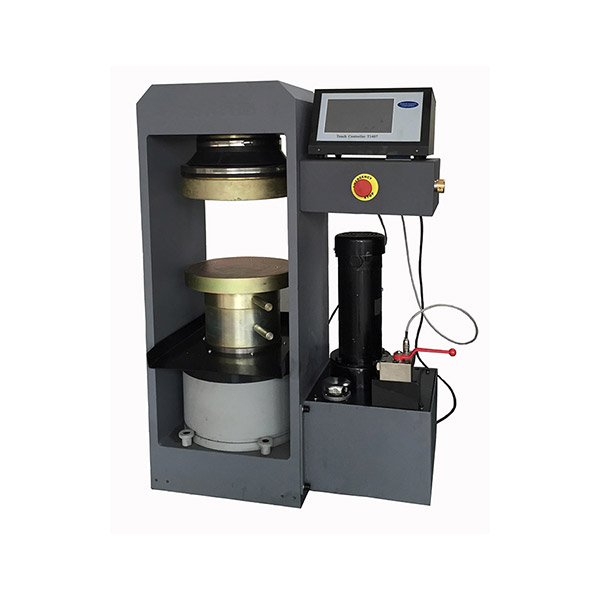
Step 2: Know Your Sample Types and Strength Requirements
The size of specimens tested directly influences the maximum concrete strength the machine is capable of testing. For instance, following the guidelines indicated above, a compression machine with total capacity of 1112KN can test 6x12in cylinders with expected strengths up to about 48.26Mpa. Using 4x8in cylinders in the same machine allows testing of concrete with strengths of 103Mpa or more, but precautions such as fragment guards should be in place.
Rushi Concrete Compression Machines are designed in a series of different capacities: 600KN, 1000KN, 1200KN, 1500KN and 2000KN to meet such variances – and machines with greater capacities are available by special order.(NOTE: Effective force measuring range: 20-80% of the maximum range of compression testing machine)
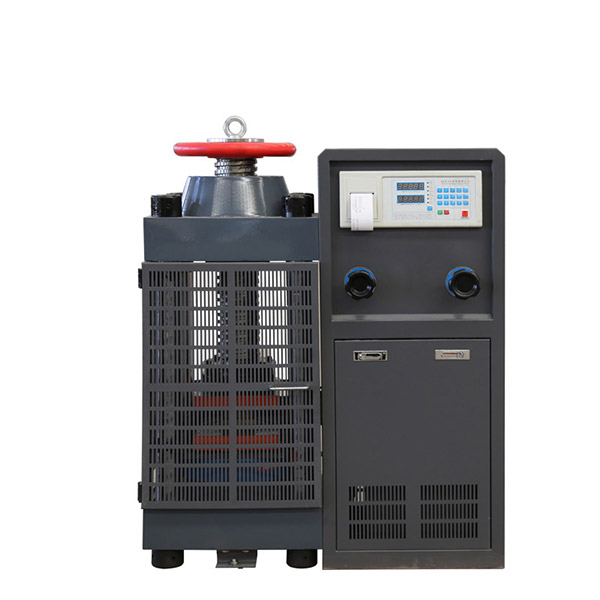
There are other variables related to the machine's functionality to keep in mind:
1. Will you be testing only one sample type (for instance a cylinder), or do you want the capability to also test cubes, cores, prisms and beams in a range of sizes? As stated earlier, there are accessories to adapt your compression machine for more than one testing application. Testing beams means you should make sure the machine retains its level of accuracy at lower loads. Flexural beam strengths are significantly lower than concrete cylinder compressive strengths.
2. What range of strengths do you expect to test and are there specific precautions to consider? For instance, using 4x8in sample cylinders allows testing cylinders with higher design strengths, but some caution is advised since very high strength concrete samples can be prone to explosive failure. These failures can be hazardous due to flying fragments and may shock the electronic and hydraulic systems of the machines. It's important to ensure that the compression machine is equipped with protective fragment guard doors and other safety features.
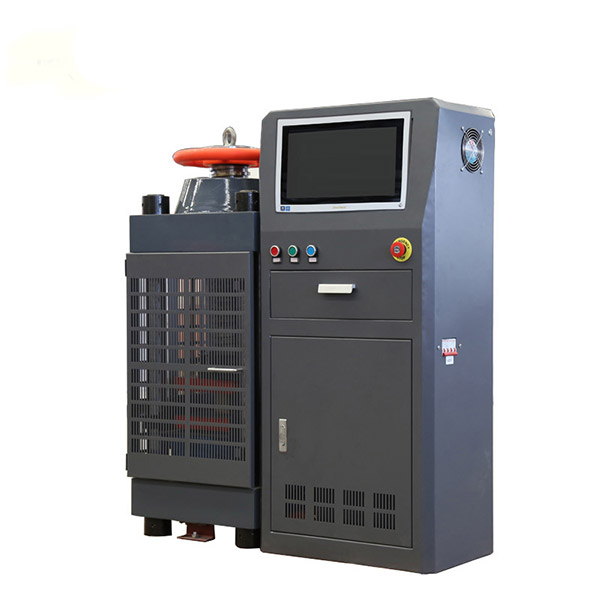
3. What are the specimen sizes? The size of the compression machine’s frame openings, sometimes referred to as daylight openings, should be sufficient to accommodate the maximum size specimen, and ensure ease of handling. Masonry prisms can require a surprising amount of space, especially if they are capped. Rushi Compression Machines have daylight openings up to (260x 320mm) W x H, with all platens in place. Machines with larger openings are also available. Spacers in a variety of sizes and thicknesses are available to adjust the opening size for each sample type.
4. What do the standards say? In addition to ASTM C39, there are other industry standards that may apply to your specific testing applications. These include ASTM C109, ASTM C293, ASTM C78, ASTM E4, along with AASHTO T 22, BS 1610 and BS 1881.
5. What about the hydraulics system? Look for features like two-stage hydraulic systems and reliable hydraulic valve controls to regulate loading. A common and costly operations error is to allow the hydraulic ram to over-extend. Select a model with a pressure bleed hole to prevent this – and pay close attention to the maximum extension warning label marked on the frame.
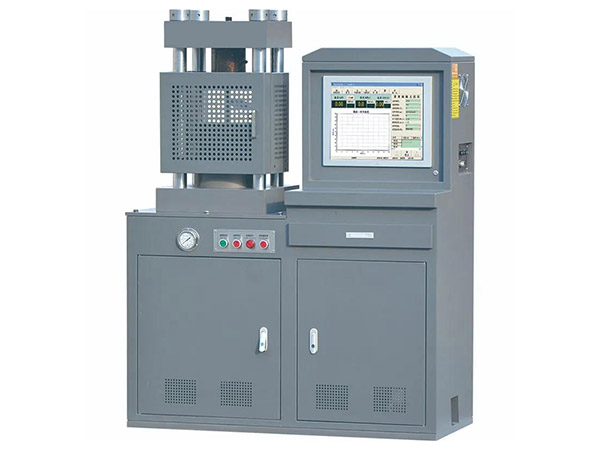
Step 3: Operation and Data Collection
How do you intend to handle the test data and results? Generally, some machines can effectively save up to 500 test results with an option to transfer it to PC or printer. However, if you have only a few cylinders to test, you can take your recordings using pencil and paper.
Moreover, if you intend to use the machine for commercial purposes or perform tests on a regular basis, you may need to leverage additional technology for data collection and storage. Thus, this will help you generate comprehensive reports, maximize the machine, and avoid human error as much as possible.
Step 4: Increase Versatility with Adaptive Products
Once you have determined the major components, features, and capacities, the next thing is to increase its function and versatility through model-specific accessories. Generally, adaptive accessories help to enhance the functionality of the compression testing machine. More so, these accessories increase the machine's versatility to allow testing of different sample types, form, and shape.
When choosing model-specific accessories for your machine, you should consider what it requires to install them. For instance, some accessories are very heavy and difficult to install unless you use the carrier bracket options.
Step 5: Pick the Compression Testing Machine that Best Meets Your Needs
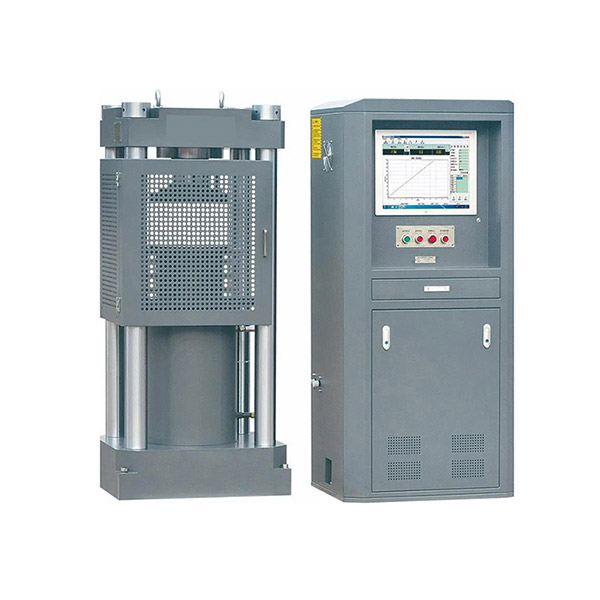
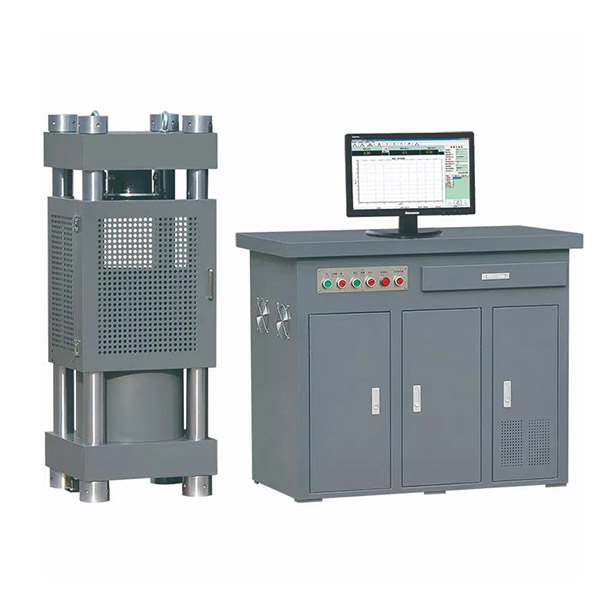
Generally, there are different machinery types. We have the hydraulic, manual, semi-automated, fully-automated, and computerized compressive testing machine. More so, machines vary in compression test force, usually from 300kn-3000kn but some special could be up to 5000kn. While Some are fitted to test cylinder-sized samples, some are best adapted for flexural beams. Nevertheless, you can place a special order based on your preference and requirements.
Conclusion
Compression testing machine plays a crucial role in evaluating the strength and compression ability of materials and products. In fact, It is widely used for different purposes and in different industries. Generally, manufacturers use a compression tester to evaluate the quality and properties of their finished products.
The company is the world’s best china stainless steel filter tube, metal filter disc supplier, jintai china supplier. We are your one-stop shop for all needs. Our staff are highly-specialized and will help you find the product you need.