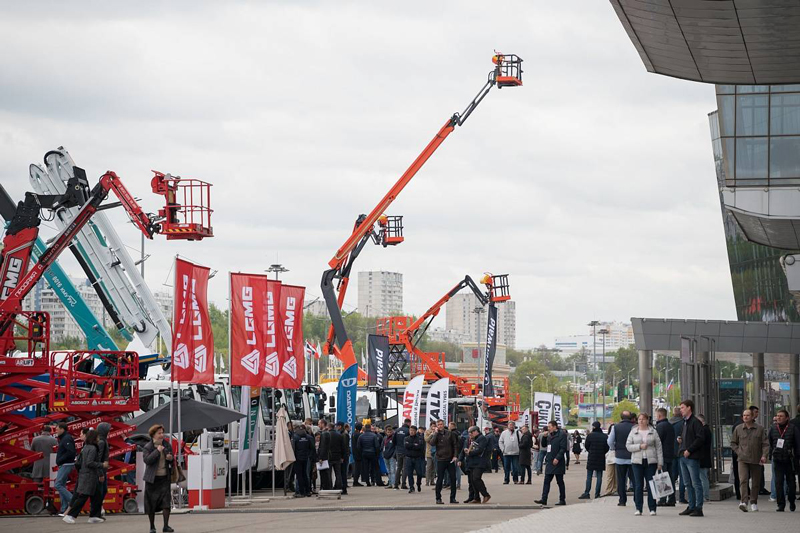
Aerial work platform rental
In North America, the aerial work platform has more than 500,000 units, and there are more than 300,000 units in Europe, and the aerial work car rental business in these regions has been developed for decades and is very mature.
In North America, the aerial work platform has more than 500,000 units, and there are more than 300,000 units in Europe, and the aerial work car rental business in these regions has been developed for decades and is very mature. The need to focus on Hong Kong, Hong Kong aerial work platform leasing has developed for about 20 years, and the current number of about 12,000 units. Hong Kong, with an area of only 1000km2, has 10,000 aerial work platforms, which shows its huge development potential.
Second, compare the growth rate.
Look again at the field of application. Many construction machinery varieties, such as excavators, cranes, single function, narrow application field, but the application of aerial work platform is unlimited, can be used for the construction of steel structure, can also be used for indoor installation projects, can also be in the field for the bridge to do some maintenance or brush engineering, as long as it is necessary for workers to work at altitude can use aerial work platform. Therefore, aerial work platform rental operators are discovering new applications and new customers every day.
Fourth, from the perspective of investment return, the business operation of aerial working platform leasing is relatively simple, the customer base is wide, and the rental rate is high and stable. If the equipment is purchased through various financing channels, high cash flow and high returns can be achieved. The difference between the leasing business of aerial working platform and the leasing of construction machinery such as excavators and cranes is mainly manifested in: it is a so-called dry leasing, that is, the leasing without operators, which is very simple in personnel and management; The structure of the aerial work platform is simple, the number of service personnel and technical level requirements are relatively low, and the cost of daily maintenance and maintenance is also low.